Simba Corp's AVA Invests Sh1 Billion in Dedicated Electric Vehicle Assembly Line in Mombasa
Simba Corp's Associated Vehicle Assemblers (AVA) is going to splash out Sh1 billion on a dedicated electric-vehicle assembly line at its Mombasa factory, putting itself in a great position to cash in on the growing demand for locally made EVs in Kenya and surrounding East Africa.
Bolstering EV Production Capacity
AVA has said that its investment will go towards specialized EV manufacturing gear, knocking the factory layout around a bit, getting technicians up to speed and certified. Crucially, the entire thing is being self-funded and built in-house, with 60 skilled technicians already on the production line.
AVA - one of the biggest contract assemblers in Kenya - already has its hands full running assembly lines for 23 brands (both ICE and EV) across passenger cars, trucks, buses and three-wheelers.
A Platform for Full Vehicle Production
The new EV line is a stepping stone for Simba Corp's long-term plans to get into full vehicle production in Kenya, completely in line with the National Automotive Policy and its objectives.
The assembly line is meant for manufacturers and distributors who want to start local production without having to shell out a small fortune on setting up their own infrastructure, and who also get to benefit from tax breaks the Kenyan government gives to local assemblers.
Production and Partnerships on the Go
The Mombasa factory is already churning out electric vehicles for several companies, like Rideence Africa - a Chinese-owned dealer - and BasiGo - a Kenyan bus and van maker. AVA are assembling electric hatchbacks, 16-seater electric vans, electric three-wheelers and electric buses.
"We're building for the e-mobility sector before the market even asks for it," said Daniel Moki, AVA's acting managing director. "We're getting our hands on the latest tech and training up our team so we can get our partners into production from the word go."
Moki added that they're having talks with a bunch of local and international EV firms, with the aim of taking the leap from assembly to full manufacturing in the future.
Simba Corp's Own EV Models coming Soon
Simba Corp is planning to use the facility to assemble its own electric vehicle models - starting with passenger cars and then moving on to trucks and buses. To begin with, they're going to start assembling MG (Morris Garages) electric cars, which they've previously imported fully built. This will make Chinese-owned brand EVs a lot more affordable for Kenyan buyers.
"Assembling the MG range here with AVA lets us put modern electric vehicles within reach of the Kenyan customer, and we get to do it with local jobs and skills," said Dinesh Kotecha, Simba Corp's CEO.
Tax Incentives Driving Investment
Assemblers in Kenya get to avoid the 35 per cent import duty slapped on fully built units. The government has also knocked the excise duty on EVs from 20 per cent to 10 per cent, and exempted them from value-added tax, which is really encouraging local assembly and lower vehicle prices.
Market Opportunity
As of now, EV cars are competing against a really big pool of cheaper second-hand ICE imports. Local assembly could reduce prices and boost demand by avoiding the Kenyan Revenue Authority depreciation schedules slapped on fully-built imports' retail selling prices.
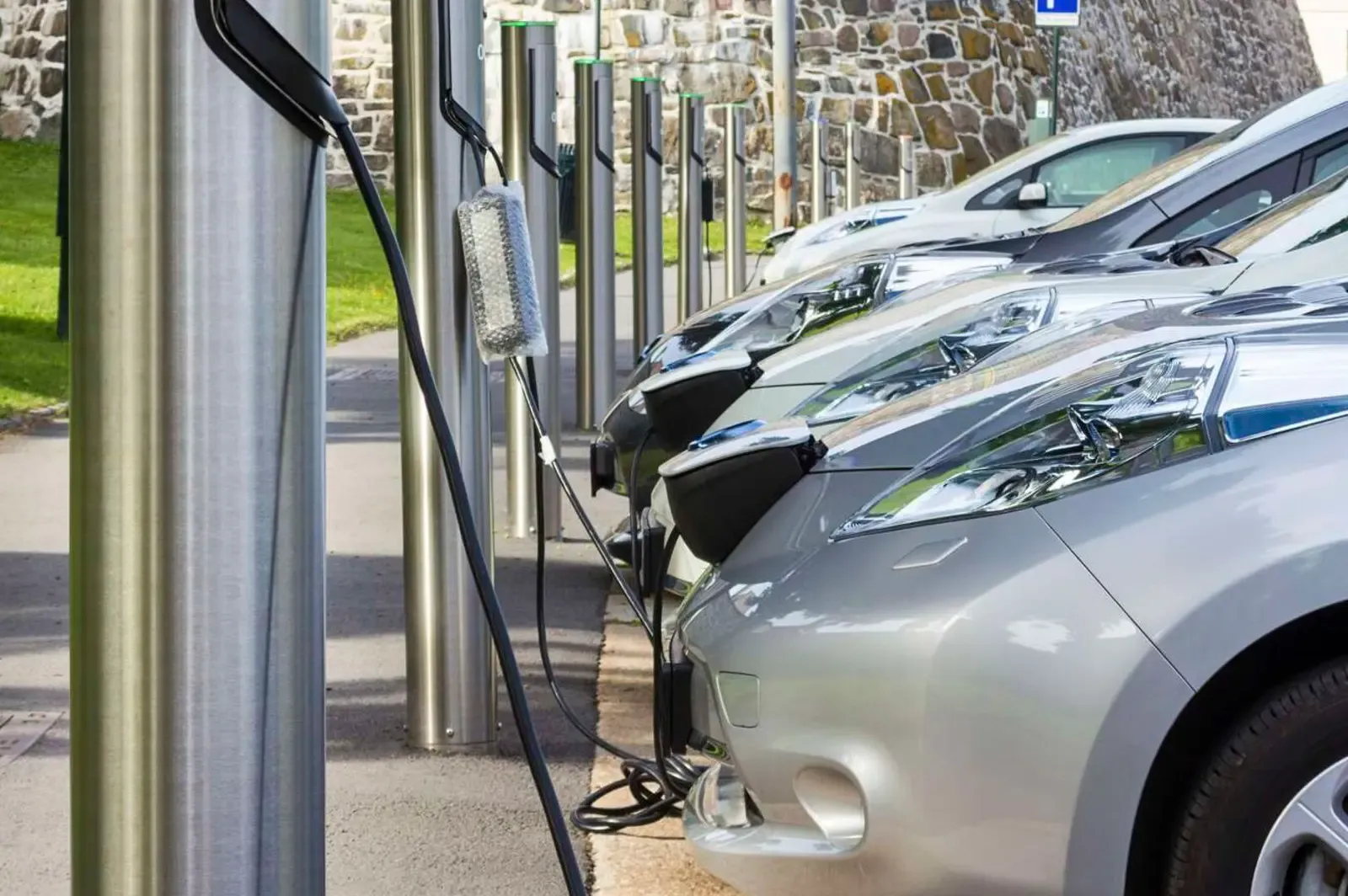
Despite government incentives, electric cars have been struggling to get off the ground, compared to e-motorcycles and buses. Kenya had a total of 9,144 registered EVs at the end of 2024, with e-motorcycles making up 90 per cent of the market.