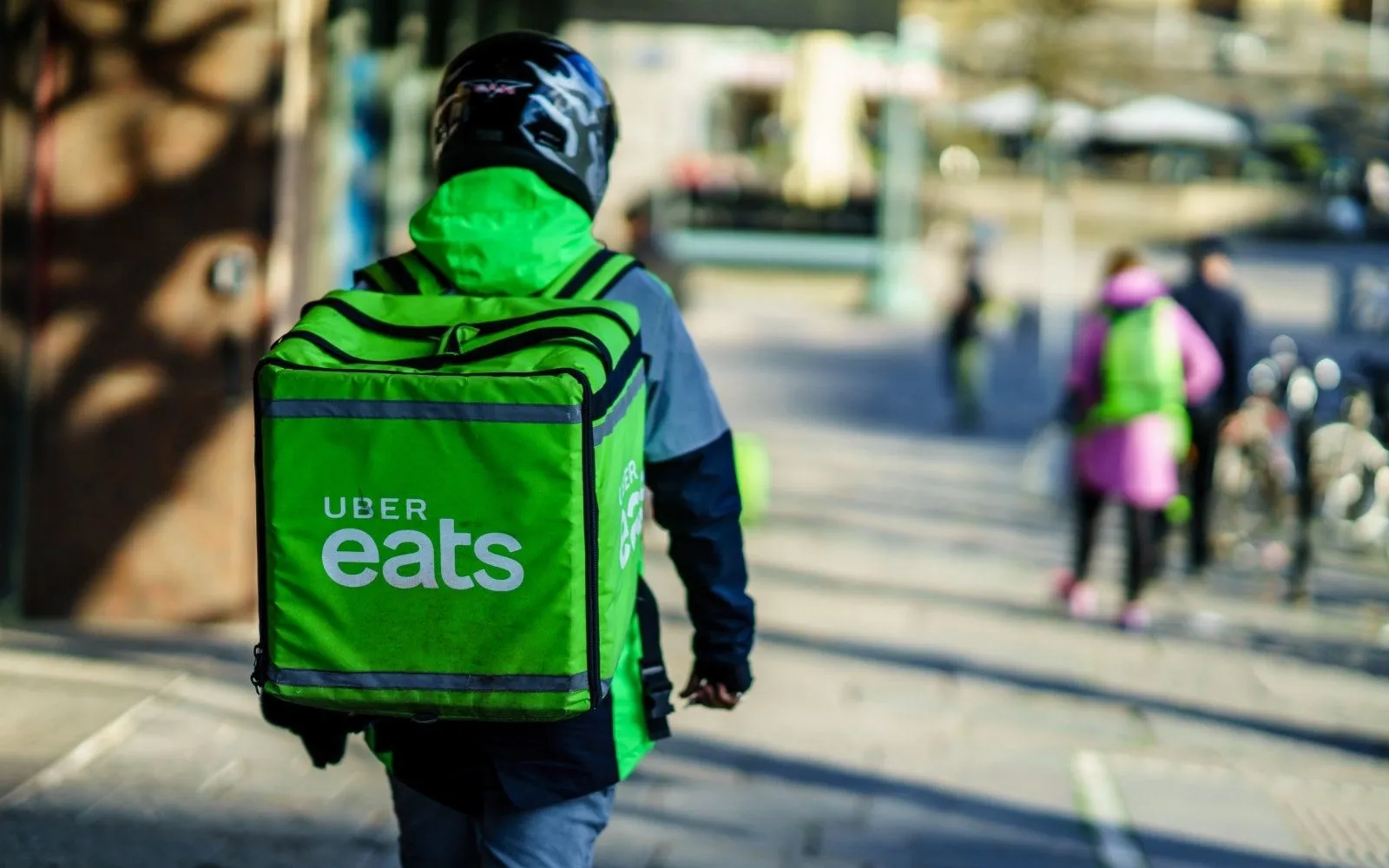
CA Introduces New License Category for Uber, Bolt, Glovo Delivery Platforms in
Online delivery platforms such as Uber, Bolt, Glovo and Little are set to spend a lot more cash to operate in Kenya after the government introduced a brand new permit that's been tailor made for the super-fast growing digital delivery service market.
New Licensing Rules
The Communications Authority of Kenya (CA) has unveiled out a 10-year Courier Hailing Service Provider license - and in doing so has effectively separated out the licensing requirements for digital delivery platforms from the ones governing old-school courier operators.
To get a digital delivery service provider license you now need to pay Sh5,000 for the application fee, Sh100,000 for the initial license and Sh100,000 annually - or 0.4% of your annual turnover - whichever is higher. And if that isn't enough, you also have to pay a universal service levy of 0.5% of your annual turnover.
On top of all that these companies are also going to have to pay the regulator's updated postal and courier market structure.
What This License Covers
Companies like Uber, Bolt and Little have really taken off since expanding their traditional ride-hailing businesses into parcel delivery, seizing on the growing demand for online shopping and food delivery - a market that Glovo has been serving for ages.
"The new licence has a national scope and will be issued to companies offering courier services through digital platforms, whether they operate their own vehicle fleets or outsource motorcycles or trucks from transport operators," a CA spokesperson explained to Business Daily.
Stepping Up From The Old License
These days these companies are all operating their delivery businesses under the new license category, which is significantly more expensive than the old one. Previously they were paying Sh30,000 for the initial fee, and Sh30,000 or 0.4% of their turnover for the annual fees - under the old National Courier Operator license.
"The digital platforms will be automatically shifted to the new licence category and will be expected to cough up the extra Sh70,000 licence fees and start paying the new annual operating fees from now on," said the CA spokesperson.
When This Takes Effect
The new rules kick in on July 29. According to a notice issued in the Kenya Gazette by the Communications Authority, the new regulations are the result of public consultations on reviewing the existing postal and courier market structure.
Why The Government is Doing This
This is all part of the government's bigger strategy to cash in on a sector that is really taking off thanks to growing demand for e-commerce deliveries, business logistics and same-day parcel distribution services.
E-commerce has really taken off in Kenya, and this has driven huge demand for parcel movement as people increasingly turn to online shopping over physical stores. With more and more people getting the means to spend and looking for convenience, there has been a massive uptake in home and office deliveries.
Retail Partnerships Are Driving Growth
Most courier-hailing firms have teamed up with major retailers to make grocery and goods delivery even easier. Uber Eats has partnerships with Carrefour, Naivas, Quickmart and Chandarana Foodplus for door-to-door delivery services.
What The Licensing Structure Looks Like Now
The new permit joins others like the Public Postal Operator license (which is held by the Postal Corporation of Kenya), the International Courier Operator license and the National Courier Operator license. As of February, there were 347 licensed postal and courier operators serving the market - and it's growing fast.