SGR Line to Extend into Nairobi CBD, Closing Critical Last-Mile Commuter Gap
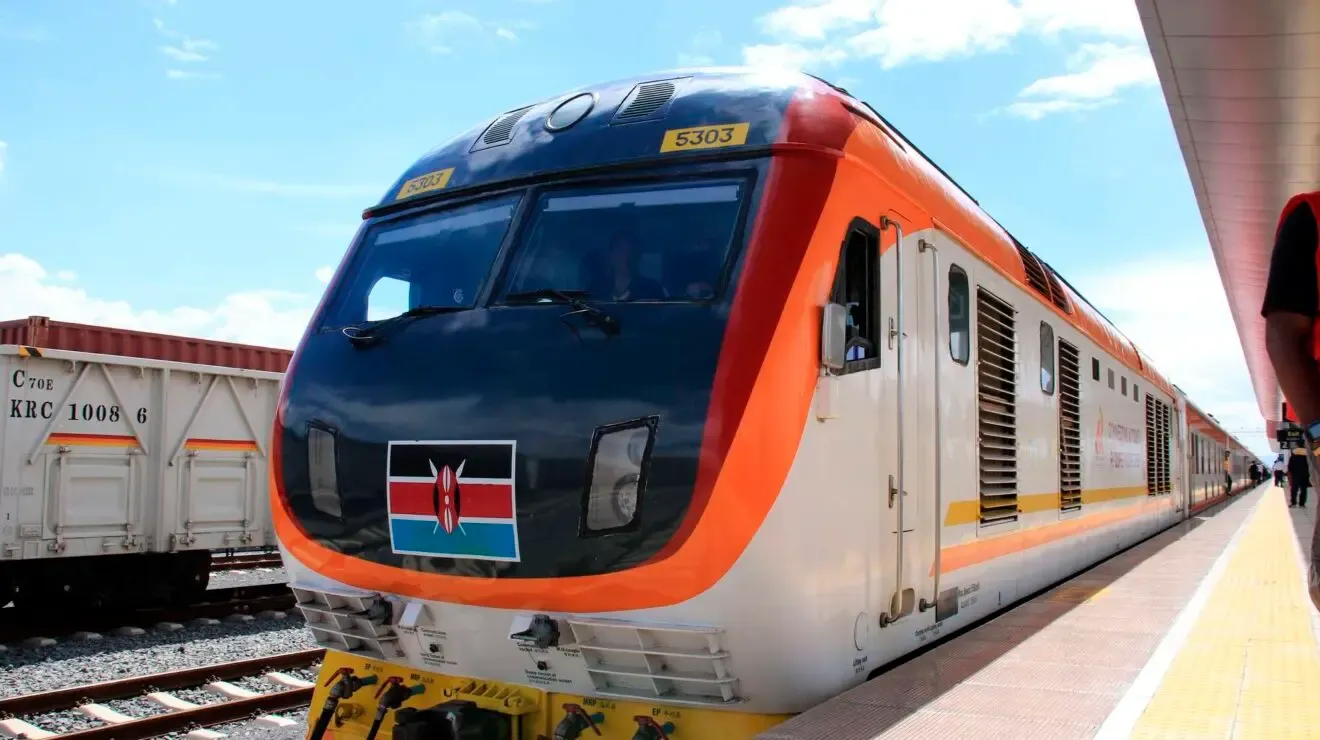
The Standard Gauge Railway line is set to finally reach into Nairobi's central business district (CBD), closing a long-standing gap that has left thousands of commuters stuck with a gruelling 20-kilometre journey to & from the current passenger terminal in Syokimau.
New Contractor Wanted To Get Critical Extension Under Way
The Kenya Railways Corporation is looking for a reliable contractor to spearhead the 15-kilometre railway line that will link the Syokimau SGR passenger terminus to Nairobi Central station - where the old metre-gauge railway just isn't cutting it any more.
This extension will mean that Kenyans travelling on those SGR trains to Mombasa - and eventually other destinations - can board right in the heart of the city, rather than having to travel all the way to Syokimau first.
Sorting Out Transportation Chaos
For years, the lack of a direct link between the SGR passenger terminus and CBD has forced passengers to juggle with MGR trains, matatus, or taxis just to get to the city centre and make their connections.
"The proposed project is strategically important because it closes the last-mile rail gap between the Nairobi SGR passenger terminal at Syokimau and the Nairobi central business district," KRC stated in an official disclosure. "This ensures that there is a direct SGR passenger access to the central railway precinct and supporting the wider Nairobi Railway City programme."
Infrastructure Development Plans Take Shape
According to the blueprints, the extension involves building a 15km railway line alongside brand new passenger platforms at Imara Daima, Makadara, and Nairobi CBD train stations - with overpasses to link these with the existing MGR platforms.
As things stand, the MGR link through Embakasi, Imara Daima, Donholm, and Makadara is the only game in town, but the new SGR line will just have stations at Makadara and Imara Daima.
Making the MGR Line Flood Resilient
Some areas that are known to be prone to flooding are going to get some serious work done such as installation of up to 10 new culverts, replacement of the old steel sleepers with concrete ones, and a host of other upgrades to make the link a lot less prone to disruptions.
The idea is to make the existing commuter rail services a lot more reliable and available, and according to the Kenya Railways Corporation, this should all happen through reducing flood-related disruptions, getting the drainage sorted, and generally protecting the track itself.
The contractor will also be tasked with building a brand new bridge over the Mukuru River and making over the Likoni bridge as part of a comprehensive set of infrastructure upgrades.
Part of the Bigger Picture - Nairobi Railway City
The extension is all part of the wider Nairobi Railway City project, a big ticket Sh28 billion State initiative to transform a chunk of underutilised land into a state-of-the-art transit hub. This project is currently in the design stages, with the construction tender due to go out to bid soon - we're talking support from the United Kingdom's Foreign & Commonwealth Office too.
More Train Action - One Province at a Time
At the same time, the government is also going all out to extend the railway from Naivasha to Malaba, connecting up multiple Kenyan towns and cities to Nairobi proper. The SGR Phase 2B project involves building a 263.7-kilometre line starting at the Nairobi - Naivasha SGR terminus, passing through Narok, Bomet, Sotik, Sondu, and Ahero before finally ending up in Kisumu.
Railway Transport On The Up
All of this comes at a time when nationwide, railway transport is really starting to take off - and the SGR is no exception, with passenger numbers up by 11 percent last year to 2.7 million from 2.4 million before. That's a nice chunk of extra revenue for the Kenya Railways Corporation, to the tune of Sh700 million extra.
Conversely, MGR usage has gradually declined, with total passenger numbers dropping by almost half over the past four years, reflecting changing commuter preferences toward faster, more modern rail options.