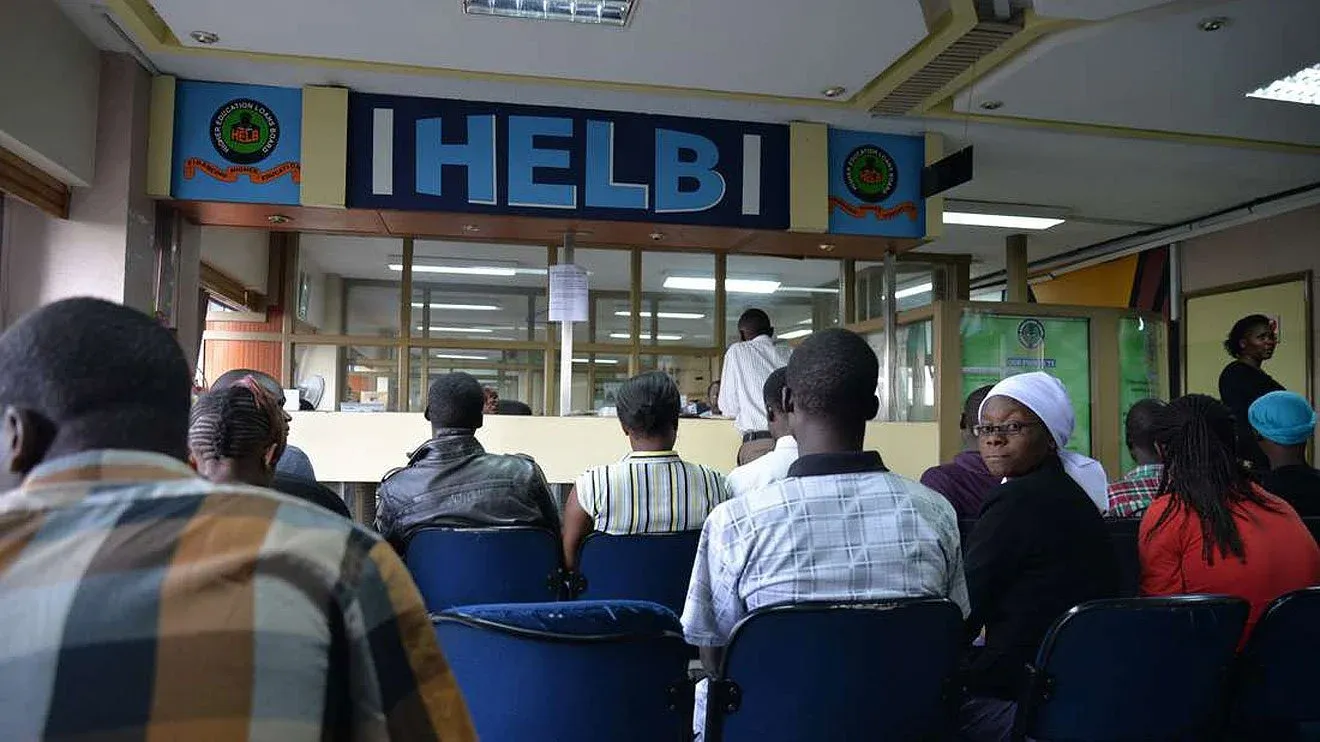
Kenya's Higher Education Sector Faces Sh72 Billion Funding Gap, Threatening Student Access
Thousands of students studying at our universities and technical and vocational education and training (TVET) institutions are going to miss out on full funding in the 2026/2027 financial year because the government has only allocated a fraction of the money they need to finish their studies
Massive Shortfall in Funding
The 2026/2027 budget is a disaster for higher education. The combined funding shortfall is a staggering Sh72 billion between the Higher Education Loans Board (HELB) and the Universities Fund. This is leaving a lot of students from low-income families in Kenya wondering how they will get the education they deserve.
According to Finance Cabinet Secretary John Mbadi the budget doesn't make sense. HELB has been allocated Sh56.3 billion but needs Sh112.1 billion to support an estimated 1.38 million students in higher education. That's a gap of Sh55.8 billion.
What this basically means is that some students will only get around Sh40,694 each - and that's way short of the Sh81,020 they actually need - that's a gap of Sh40,327 for every student that's being left behind.
Funding Gaps- Where are we getting it wrong
Looking at the funding figures it becomes pretty obvious that even if all the money needed was given out under the 2023 funding model then the money available just wouldn't stretch to support all the students. In fact, allocations would only cover about 695,000 students out of a projected 1.38 million. That means nearly 689,000 students could miss out on full funding - which is just unacceptable.
Universities Fund is also in trouble
The Universities Fund has been given Sh31.1 billion but it needs Sh47.36 billion to give scholarships to students who really need them. That's a deficit of Sh16.26 billion. And it's not just the figure - even if the Universities Fund was getting all the money it needed - the planned allocation only works out at Sh74,245 for each student - but each student actually needs Sh216,072
Growing Obligations are Mounting
All of this is going to get worse because the government is committing to more and more funding. And it's not just that - the number of students is growing at an incredible rate. In the last decade or so the number of students has gone up by more than 300 percent - from 70,000 in 2017 to 258,000 in 2025. The government clearly needs to do something to help support all these students.
Currently there are 437,648 students getting funding under the student centred funding model - but it's a real worry for the future
"In terms of student numbers, the growth is very significant. Over the last 10 years, enrollment has grown by more than 300 percent," said Universities Fund Acting Chief Executive Officer Dr. Edwin Wanyonyi.
More Systemic Pressures
The funding squeeze is making things even harder for universities and institutions that are already struggling. They are not just dealing with the growing number of students but also increasing costs. This is really squeezing the higher education system in Kenya. And it's getting harder and harder to keep this student centred funding model working because it is just not getting enough money.
The acute funding crisis threatens Kenya's broader educational equity agenda and raises questions about government commitment to expanding access to quality higher education for disadvantaged populations.