High Court Extends Freeze on Sh244.5 Billion Safaricom-Vodacom Deal as Constitutional Questions Persist
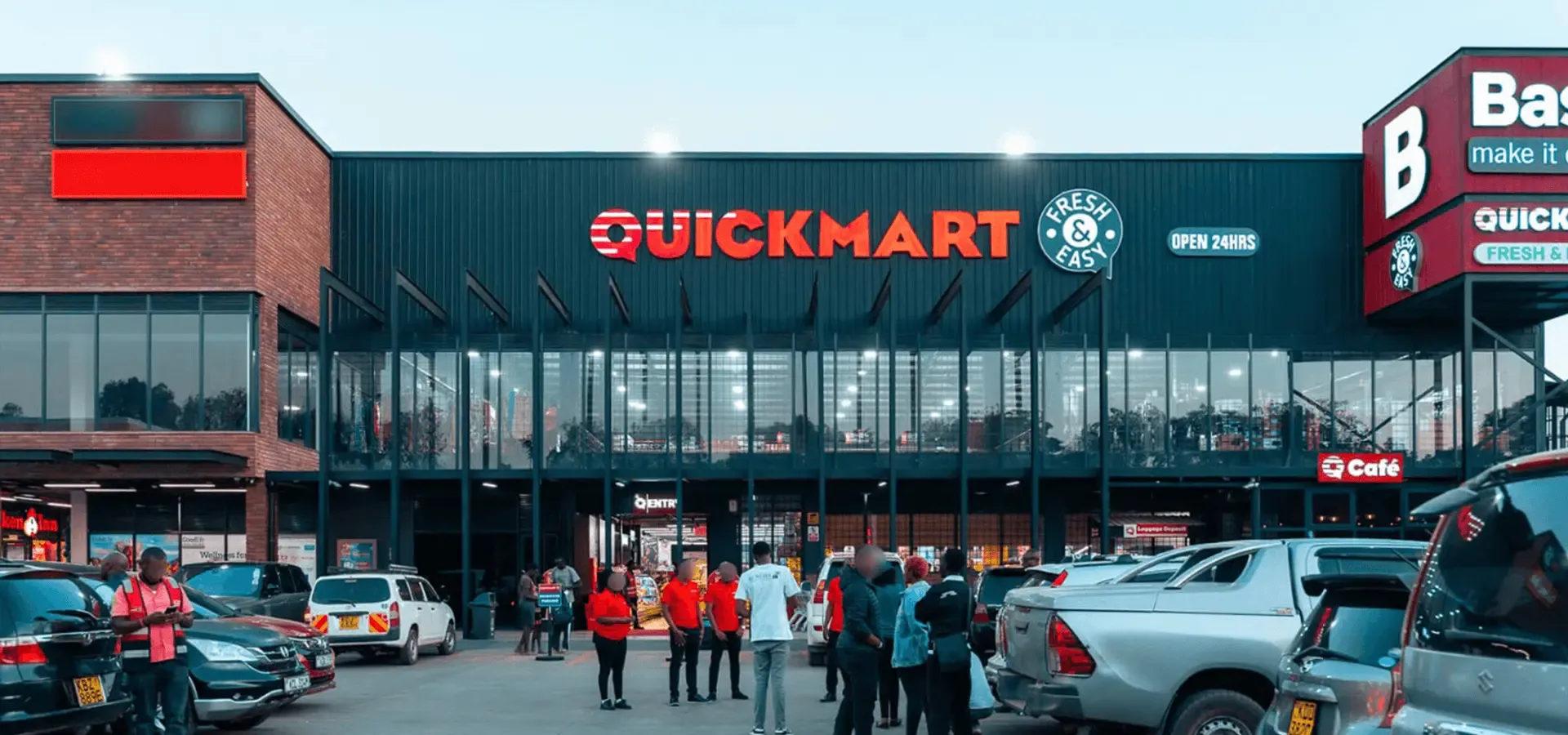
The Sh244.5 billion payment to the Treasury for the sale of a 15 percent stake in Safaricom Plc to parent firm Vodacom Group is going to take a heck of a lot longer now that the High Court has put a freeze on the whole thing.
Court Tosses Sale on Hold Till Petition is Dealt With
A three judge bench at the High Court has ruled that plans for the sale of the Safaricom stake have to wait until the petitions filed by four disgruntled Kenyan citizens challenging the whole thing get sorted out.
The court shot down the government's argument that stopping the transaction would send a negative message to investors & scare them off the Kenyan economy.
Constitution has to Come First Say the Judges
"'Constitutional adjudication doesn't automatically mean a loss of confidence in investors' the judges said in a pretty clear cut statement.
They were having none of the government's claim that stopping the transaction would be economically disastrous for Kenya. "That argument would basically mean that the government can do whatever it likes if it's just a case of dosh' the judges said, in effect.
Big Setback for the Government & Vodacom
Vodacom had been making noises like they were ready to transfer the billions of shillings to Kenya as soon as the High Court lifted the freeze on the deal.
This means that the deal will drag on, putting the State in line to pocket a Sh16 billion dividend from the remaining 35 percent stake in Safaricom if Kenya is still in charge by August when dividend payments shut down.
The transaction pause is now putting pressure on the payment of Sh244.5 billion to the Treasury, including a Sh40.2 billion advance on dividends from what would have been the government's 20 percent stake in the Nairobi Securities Exchange-listed telecommunications firm.
Vodacom CEO Has to Wait for Update
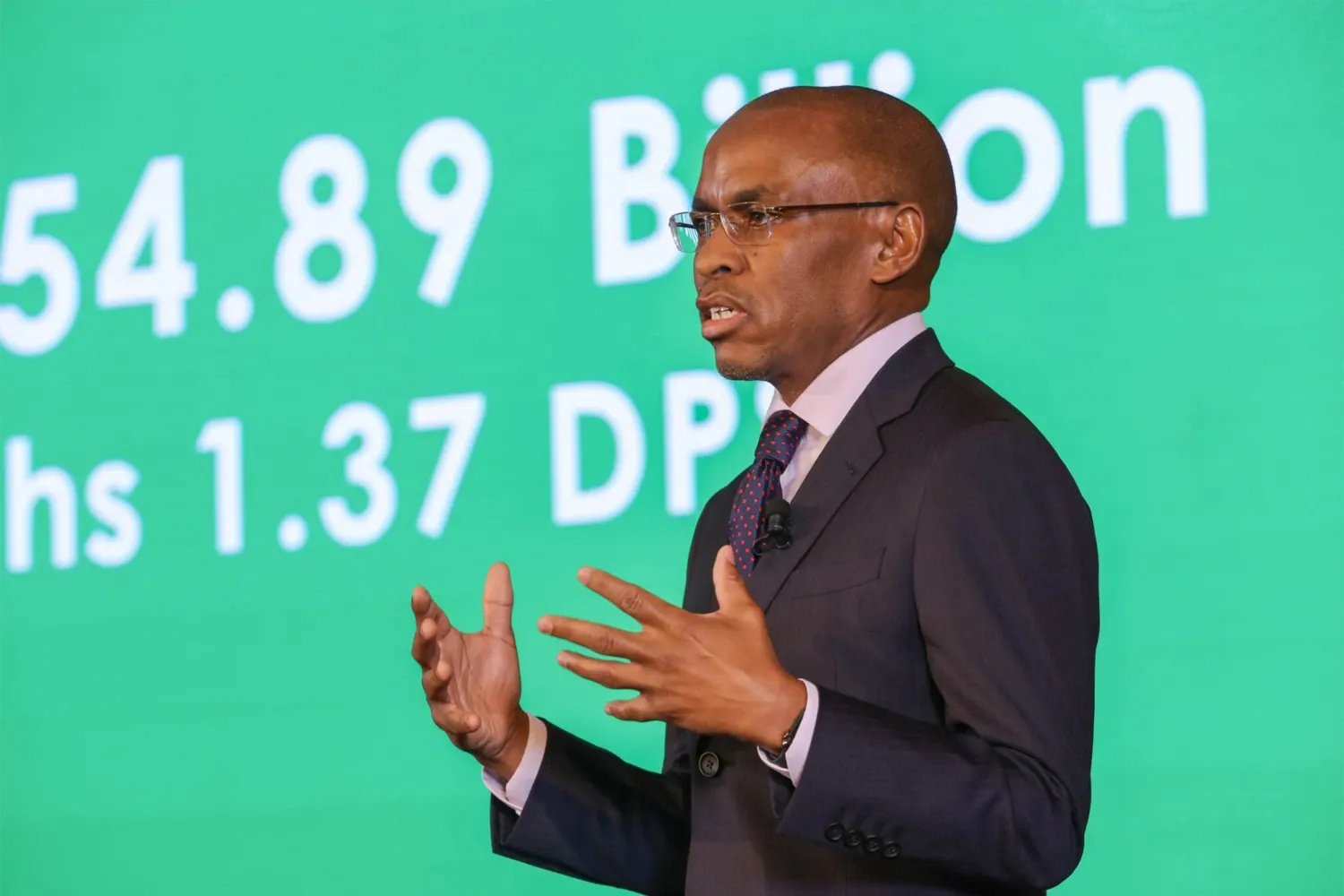
"We are expecting some news on this ruling on May 18, 2026. For now we are stuck waiting on the outcome - we can't proceed with the deal until then as it stands," Vodacom boss Shameel Joosub said on a May 11 call to investors.
"If the High Court doesn't lift the freeze, this thing could drag on for a few more months so we are in a bit of a holding pattern right now," he added.
Disgruntled Citizens Challenge Legality of the Sale
The whole transaction was put on ice when petitioners Tony Gachoka and Fredrick Ogola came at the State agencies & Safaricom with a lawsuit questioning the government's right to reduce its stake in the company.
The government defended the decision saying that the proceeds of the sale would be ploughed back into a infrastructure fund & spent on the things that really matter for the country.
Government lawyers said the petitioners were just trying to block a statutory process that had gone through a parliamentary vote & public consultation
Court Reminds Government That Constitution Comes First
The judges said while they get that commercial stability & investor confidence is important, the Constitution can't be set aside just because it gets in the way of making a quick buck.
"A quick reminder is that investor confidence in a constitutional democracy like ours is not founded upon the unchecked exercise of public power, but upon the assurance that the government acts within the confines of the Constitution and the law," said the court.
Debate over Transaction Merits
The court case was officially filed as analysts & politicians were going back & forth over the merits of the government's partial sell-off of Safaricom. The big question on everyone's mind is : will the state actually get the full Sh34 a share they're asking for?
Some folks think this deal will be great for Kenya, while others are super skeptical about the benefits of all this - they reckon Vodacom will be the big winner here after bagging a majority stake in the lucrative telecoms operator.
A joint parliamentary committee had cleared the sale, setting things in motion for the deal to go through, until these litigants threw in a constitutional challenge, putting everything on hold.
Deal Economics and The Nitty-Gritty
The deal's pretty simple: the Treasury gets Sh204.3 billion for their 15% stake, which works out to Sh34 a share. To sweeten the pot, the exchequer gets a further Sh40.2 billion dividend top-up, which is essentially a loan secured against the 20% stake they'll be left with in Safaricom.
The delayed sale has pushed the Treasury's expected income from final dividends back to August 4th, when book closure happens & they get Sh16.1 billion, if the transaction gets back on track.
Vodacom Awaits Court Ruling
Vodacom is adamant that the deal can't proceed till the court gives the green light & the conservatory orders are lifted - otherwise, it's a no go.
At the same time as buying the 15% stake from the government, Vodacom are also snapping up a 5% stake in Safaricom that's currently held by their parent company Vodafone Group for the same Sh34 a share.
Once both deals are sealed, Vodacom will own 55% of the telecoms operator, giving them majority control & a stranglehold on Kenya's super-profitable telecoms market.
Infrastructure Projects Stuck in Limbo
Back in May, Safaricom bumped up its final dividend to Sh1.15 a share from Sh0.65, thanks to a 67% surge in net profits to Sh95.6 billion.
The government's slice of dividends from Safaricom during the period ending March, including an interim dividend of Sh0.85 per share, works out to Sh28.04 billion.
The cash from this deal is supposed to flow into the National Infrastructure Fund (NIF) - a vehicle designed to bankroll massive infrastructure projects like roads, railways, energy & water systems.
No Immediate Pressure on the Government
The Treasury says there's no rush to get this deal done, as it's not a major budget issue for the current financial year.
Still, the delay is causing uncertainty for both the government's infrastructure plans & Vodacom's expansion plans in the East African market.
The constitutional petitions are now taking centre stage as the court prioritises following the rules over getting the deal done quickly - it's a reminder that economic transactions involving public assets have to meet constitutional standards, no matter how big or important the deal is.