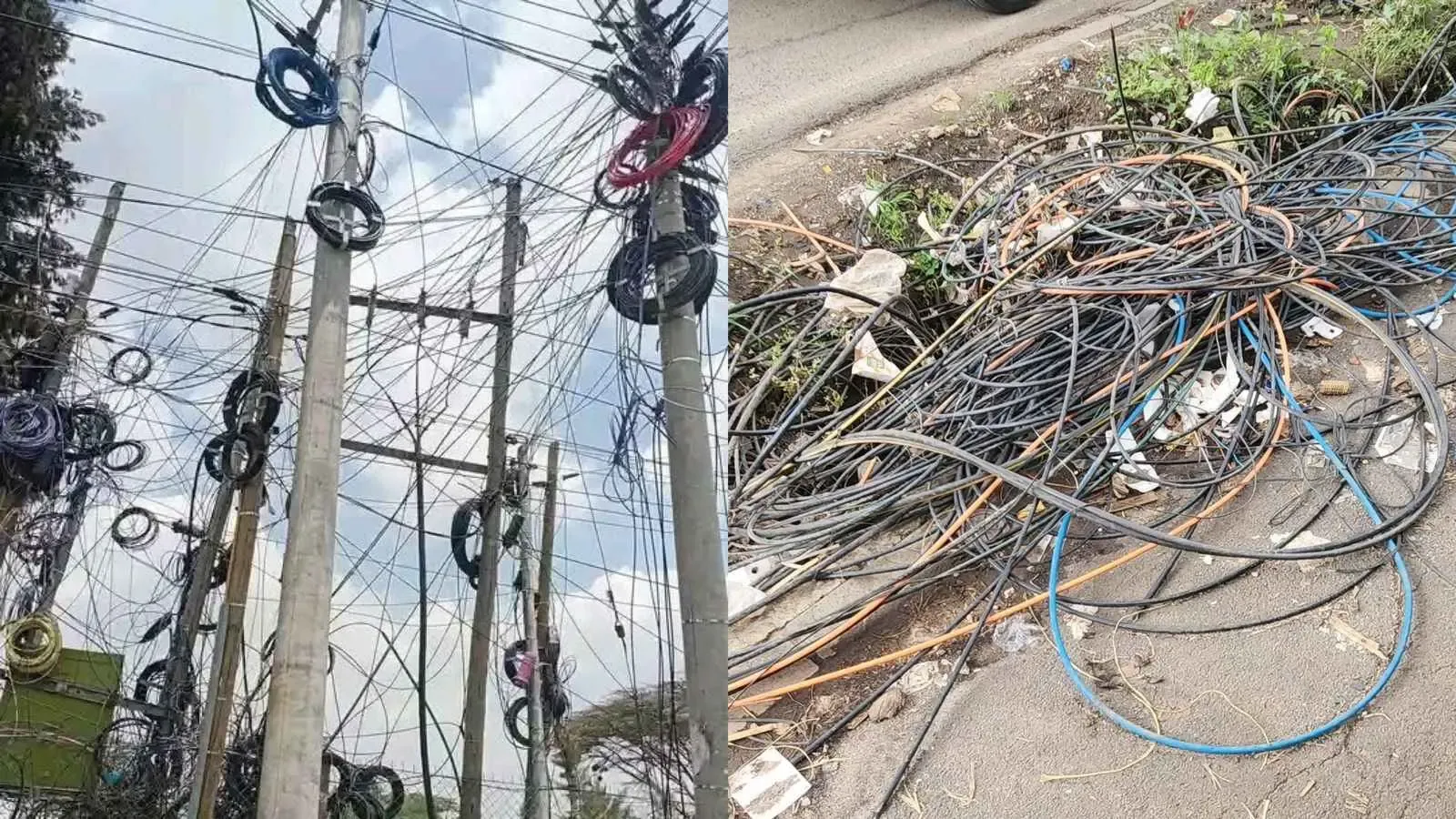
Communications Authority Proposes Stricter Internet Installation Standards to End Poor Cable Deployment in Kenya
Internet Service Providers (ISPs) in Kenya could soon have to deal with tougher installation standards after the Communications Authority of Kenya send out an invite for public feedback on new guidelines meant to make the country's internet infrastructure safer, neater and more reliable.
New Rules Should Help Tackle Public Complaints
On May 4, the regulator made a statement saying they're hoping the new rules will smooth out how providers go about setting up connectivity outside homes and offices - places where subpar installations have meant slow speeds, frequent outages and dodgy wiring.
It's been a growing problem - there's been an awful lot of complaints from the public about fibre and internet cables just hanging from poles, walls and along the side of roads in residential areas and business districts.
It All Starts with the Cables Outside Your House
The Communications Authority noted in a statement : " Your internet experience doesn't start on your phone - it starts with the cables right outside your house or office ". And if installations are botched it means you can expect slow speed, constant outages and even real safety risks. That's why they're proposing these new rules.
The public has been told to read the consultation paper and get their views in before May 20th.
Trying to Get Everyone On The Same Page
These proposals will establish standard national guidelines for how fibre optic and other telecoms cables should be designed, laid, labelled, shared, looked after and protected all over the country.
According to the regulator, the idea is to make sure there are high-quality, safe and reliable installations for telecommunication cables and related infrastructure. They also want to promote more consistent technical standards and environmental responsibility.
These new guidelines also aim to let different companies share the same infrastructure, encourage open access, get more protection for the really important bits of telecoms infrastructure and make sure they're all in line with the relevant building, environmental and safety laws.
Taking Down Overhead Wires and Fixing Cable Trenching
A real focus of this proposal is to stop overhead wires and careless cable digging which are all too common in lots of estates and business centres around the country.
The regulator is saying that all contractors need to be licenced and all installation plans need to be approved before they're put in place. You also need to stick to the plan you put in and report the route to the regulator within 30 days of finishing the job.
The Nitty-Gritty Details
Under these proposals, trenching in urban areas needs to be at least 600 millimeters deep, and there needs to be a maintenance hole every 150-200 meters. All installations need to be clearly labelled so you can tell who did the work and who's responsible for fixing it.
Ducts themselves need to have some spare room for future expansion and laying cables needs to be better integrated with road, rail and power projects so you're not constantly digging up the same place and messing up the community.
Fibre Over Head And Building Codes
The Communications Authority is also proposing some strict rules around fibre that's strung up on poles. They want to make sure it's all safe and doesn't conflict with power lines or any other safety clearances.
One of the other things they're putting in is a requirement that all new buildings ( including affordable housing projects ) will have to include broadband ducts and internal conduits that run from entry point to individual units - this is part of the new Building Code 2025.